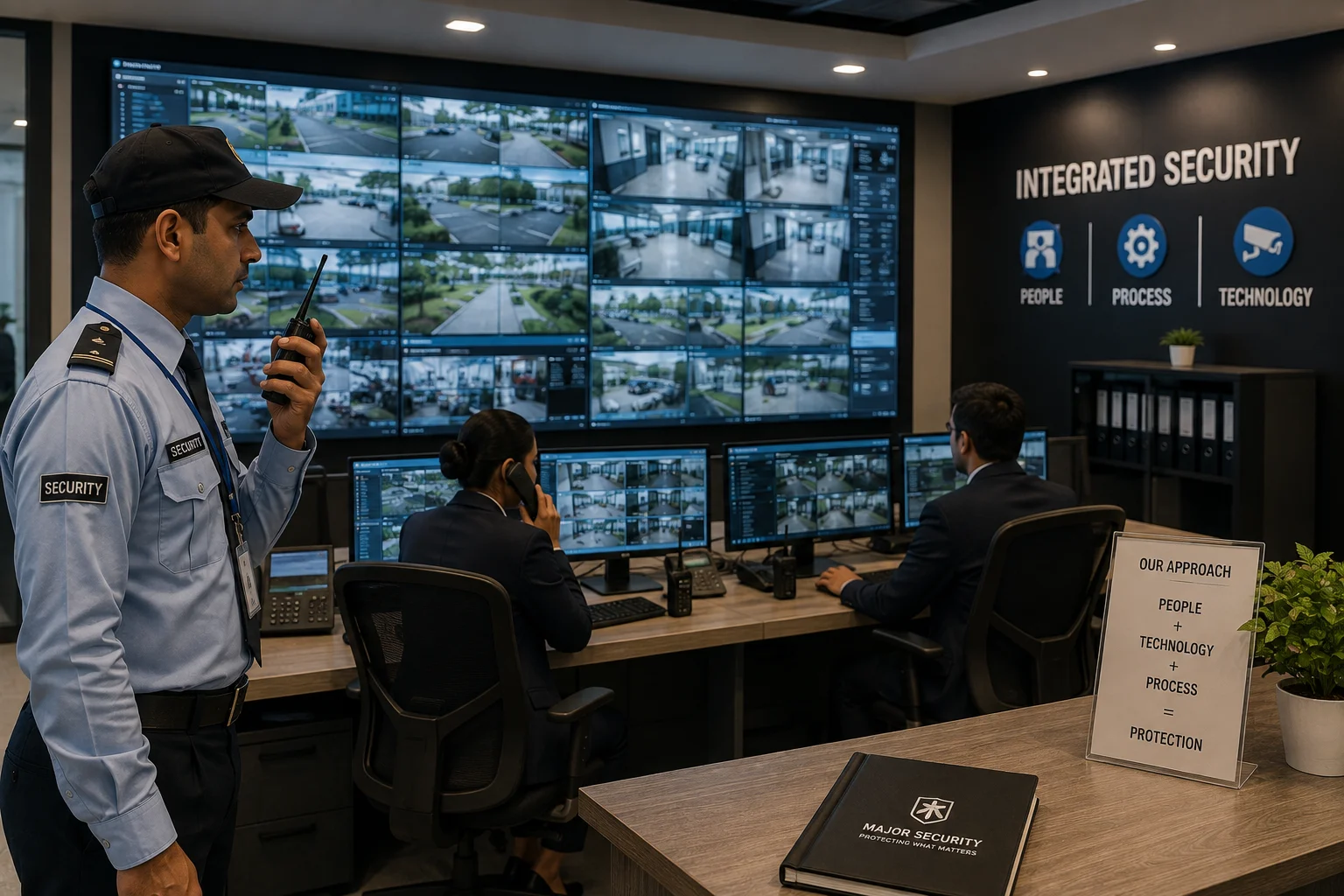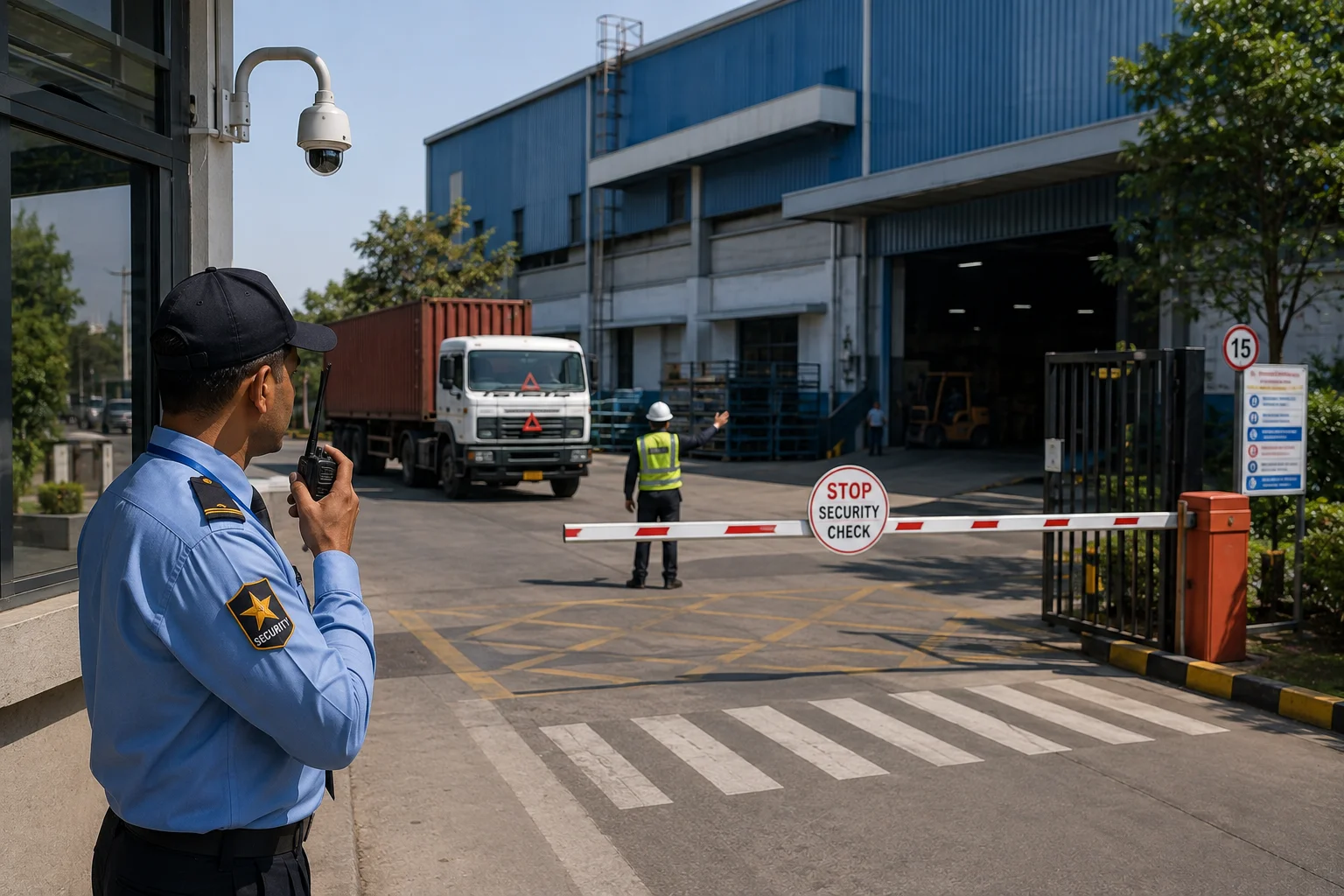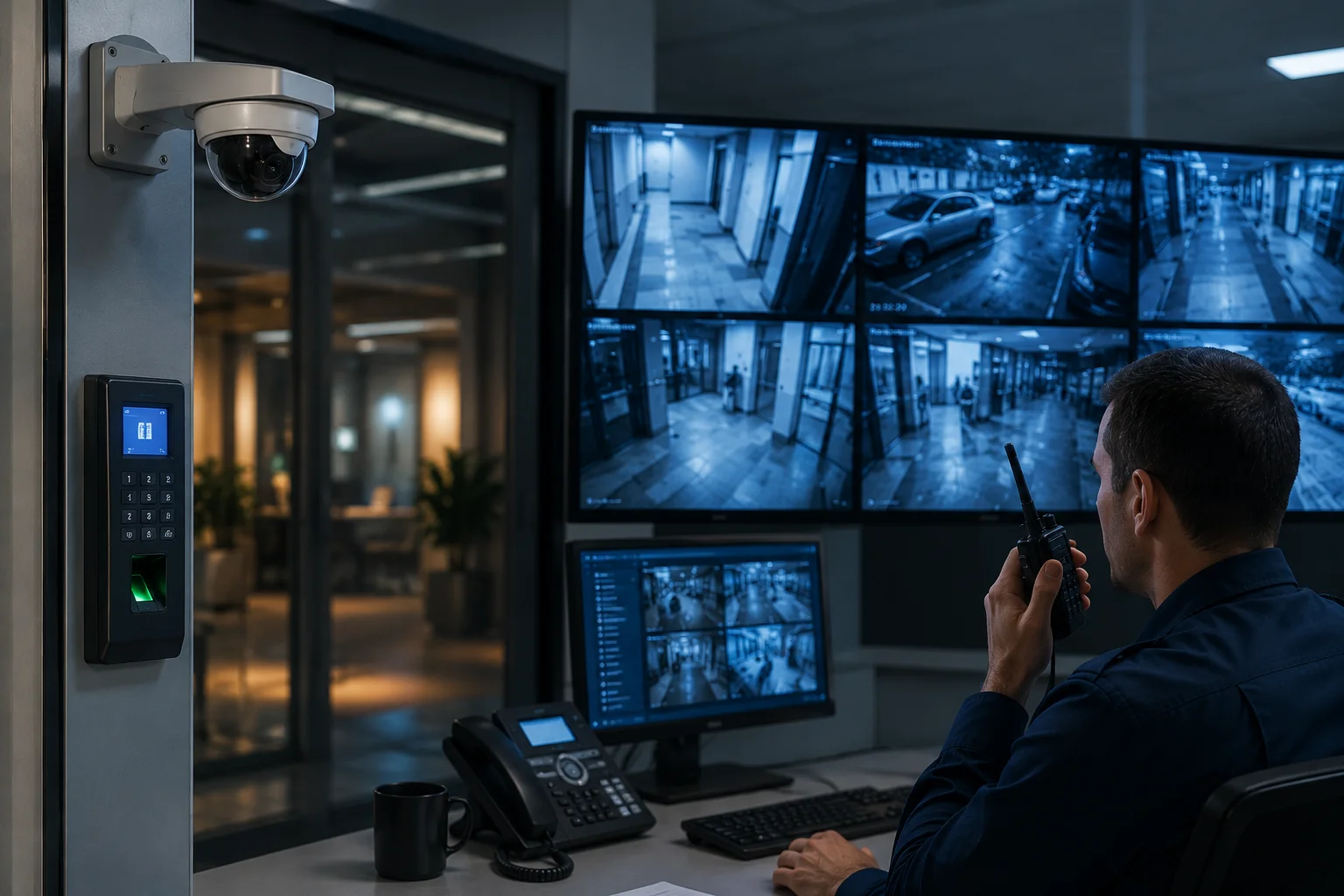
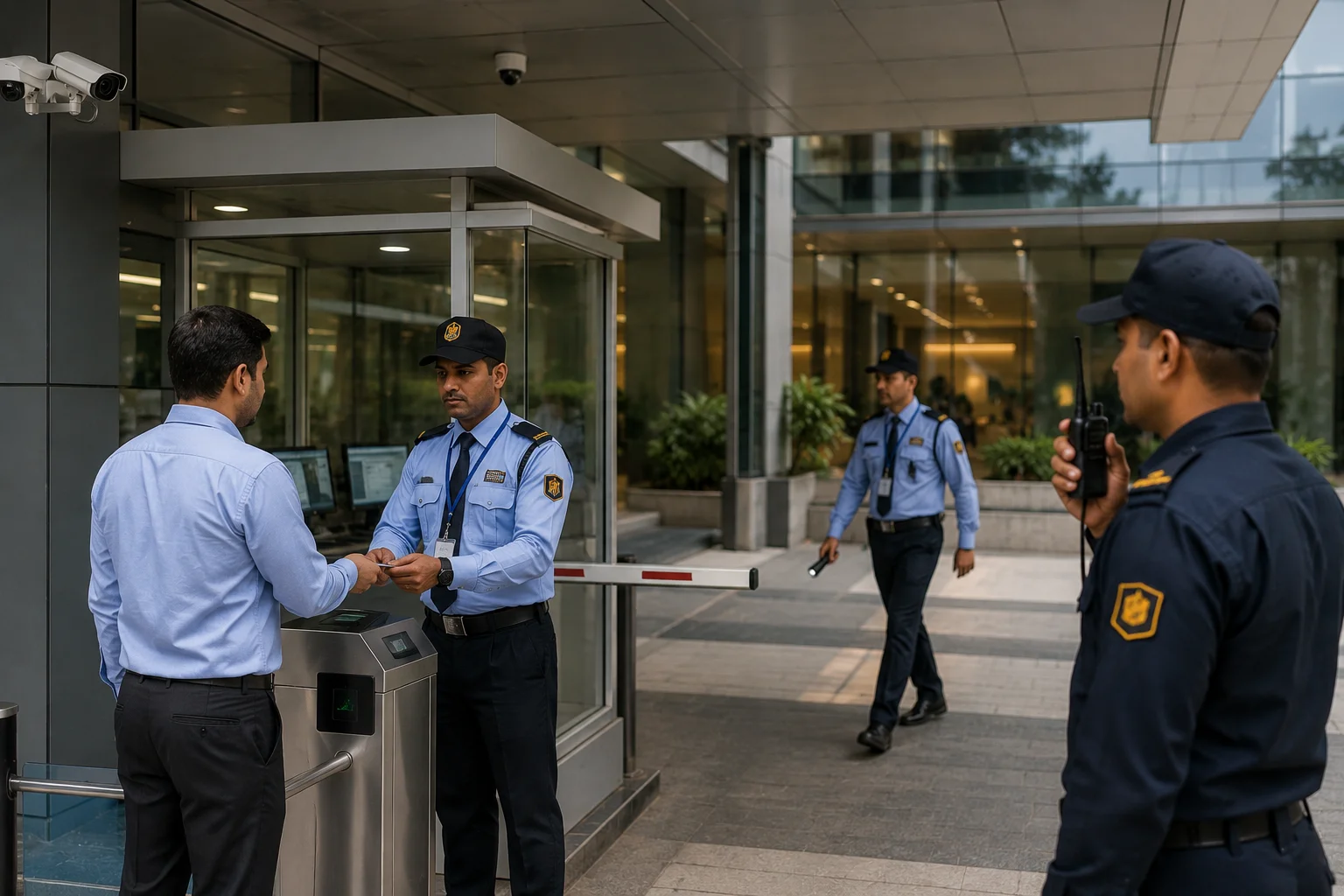
Technology can strengthen a security operation, but trained people remain at the centre of effective protection, response and day-to-day security management.
The role of trained security personnel
Cameras record. Access systems log. Alarms notify. People still decide. An officer at a gate assesses a visitor’s purpose. A supervisor judges whether an incident is closed or needs escalation. A patrol notices a change in a loading bay that no sensor was set to watch. That judgement is the core of professional security manpower.
Major Security’s work is built around personnel deployed according to the risk and operating pattern of each site — armed or unarmed guarding, industrial and corporate posts, and supervisory cover where the client’s environment requires it. Technology sits alongside that deployment. It does not remove the need for it.
A trained officer also carries the client’s standard of service. How a visitor is greeted, how a delivery is logged, how a late-night exception is handled — these are the moments that decide whether security feels like a barrier or a professional function. That is why manpower remains the centre of the operation even when cameras and access systems are in place.
Recruitment, screening and site-specific requirements
Vetting and screening are part of how personnel are brought into service. A post in a hospital, a manufacturing plant, a retail floor or a financial premises each demands a different mix of awareness, appearance and procedure. Site-specific briefing matters as much as general security knowledge: where the restricted rooms are, who may sign for deliveries, and how the client expects guests to be received.
Training sessions for newly recruited guards are manned by senior officers. The intent is practical: security duties, guest handling, reception and telephone-related work, industrial security, firefighting and crisis management. Officers who understand the site they are joining are less likely to treat every situation as a generic drill.
Security awareness, guest handling and access control
Security awareness is the habit of noticing what does not fit — an unescorted contractor, a propped fire door, a vehicle that does not match the expected list. Guest handling and reception duties are part of that same skill set. Many incidents begin at the first conversation, not at a fence line. Professional conduct at reception protects both the client’s people and the organisation’s reputation.
Access control on the ground is still a human task even when cards and turnstiles are in place. Officers confirm identity, manage exceptions and keep the process moving without turning the entrance into a bottleneck. That balance is trained, not improvised.
Incident response, fire awareness and first aid awareness
When something goes wrong, the first minutes are usually managed by the people already on site. Incident response, fire awareness and first aid awareness are therefore part of the training picture, alongside fire alarm familiarisation. The aim is not to replace emergency services. It is to ensure security staff can protect life, contain a situation and communicate clearly until the right support arrives.
Health and safety, fire awareness and first aid awareness sit in the same development list as CCTV operator training and supervisor training. A guard who only knows how to stand a post is less useful than one who can support a wider operational response.
Supervisor responsibilities and refresher training
Supervisors connect the roster to the standard. They check posts, review reports, correct procedure and escalate issues the client needs to know about. Supervisor training exists because that role is different from standing a gate. It is about consistency across shifts, not only individual effort.
Refresher training keeps skills current as sites change — new access rules, new camera coverage, new visitor processes. Major Security treats development as ongoing, not a single induction event. Close protection, store detective work and specialised operator skills are additional paths where the assignment requires them.
Communication, professional conduct and working with technology
Clear communication — radio, telephone, written reports — is how a site stays coordinated. Wireless UHF/VHF equipment and control-room contact only help if officers use them with discipline. Professional conduct is visible to every employee and visitor. It is part of the security product, not a separate courtesy.
Manpower and technology should be planned as one operation. A camera that nobody is assigned to review, or a patrol that never uses the reporting format the client expects, wastes both people and systems. The stronger model is trained personnel who know the tools, and tools that are specified around how those personnel actually work.