Industrial environments require security planning that considers people, assets, access points, operations, emergency procedures and site-specific risks.
Why industrial sites need their own framework
Manufacturing plants, warehouses, logistics yards and industrial campuses combine people, vehicles, raw materials and finished goods in ways an office never does. Shift changes create surges at the gate. Contractors come and go. Forklifts and tankers share space with pedestrians. A security framework that ignores operations will be worked around. One that is designed with operations can actually be followed.
Major Security’s approach to industrial assignments starts with site due diligence: understand the layout, the product flow, the hours, and the client’s existing rules before proposing posts, systems or patrol patterns.
Due diligence should walk the perimeter, the goods-in route, the staff entrance and any informal shortcuts the workforce already uses. Those shortcuts are where a neat drawing of the site and the real site diverge. Security that ignores them will be bypassed on the first night shift.
Perimeter, gates, visitors and vehicles
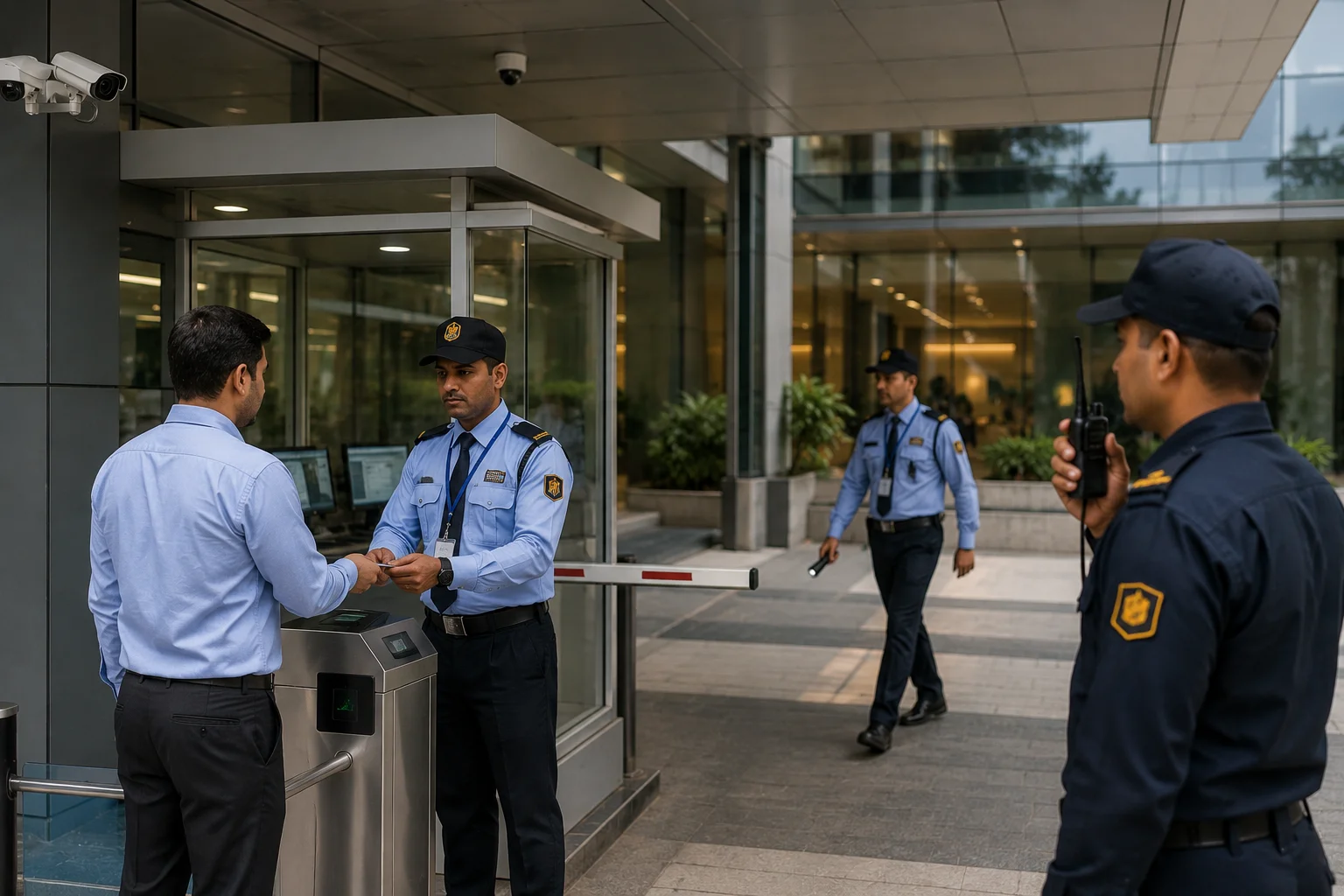
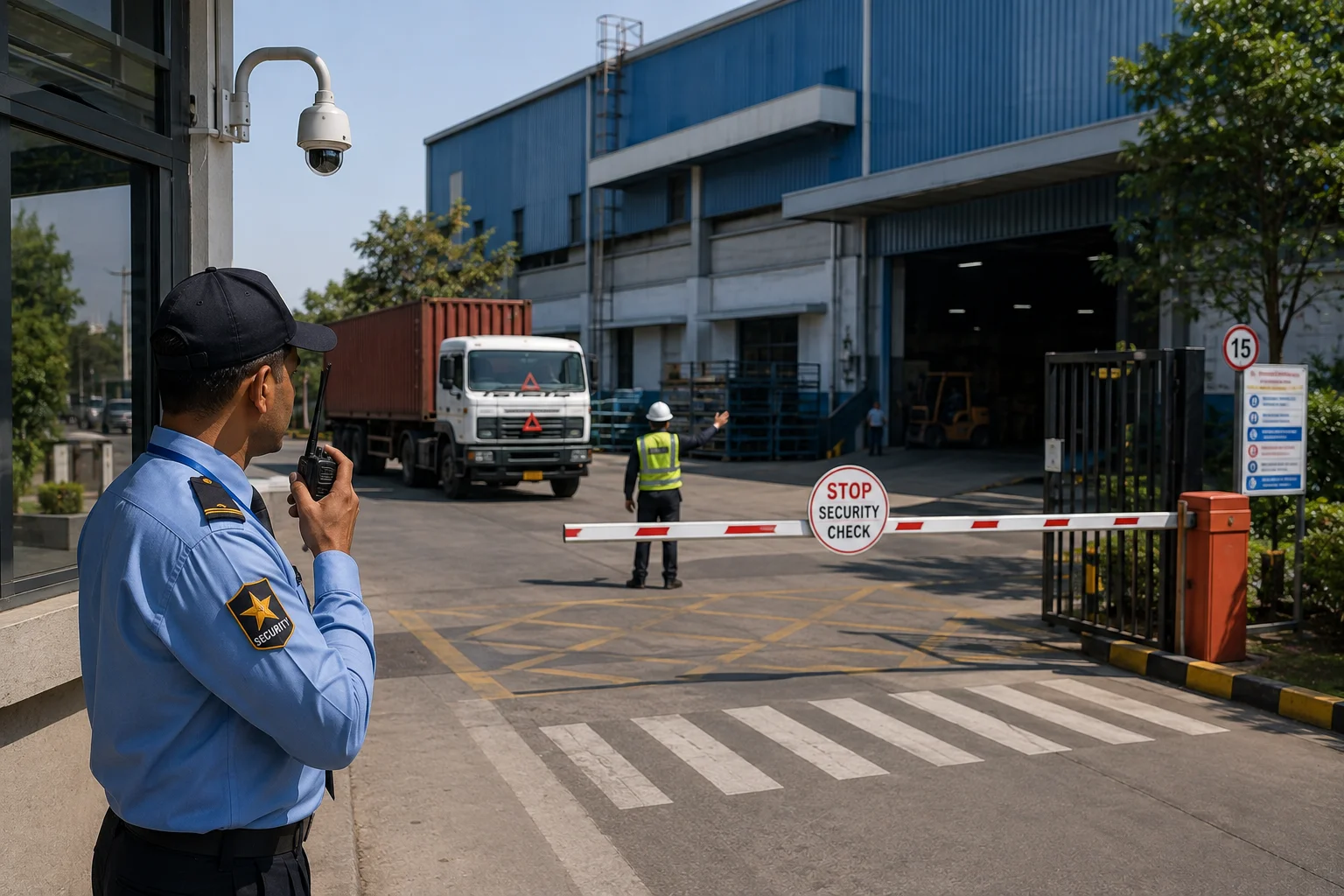
Perimeter security is the first filter: fencing, lighting, and a clear sense of where the site begins. Gate management is where that filter becomes a process — who is on the expected list, how materials are documented, and how private vehicles are separated from goods vehicles where the layout allows it.
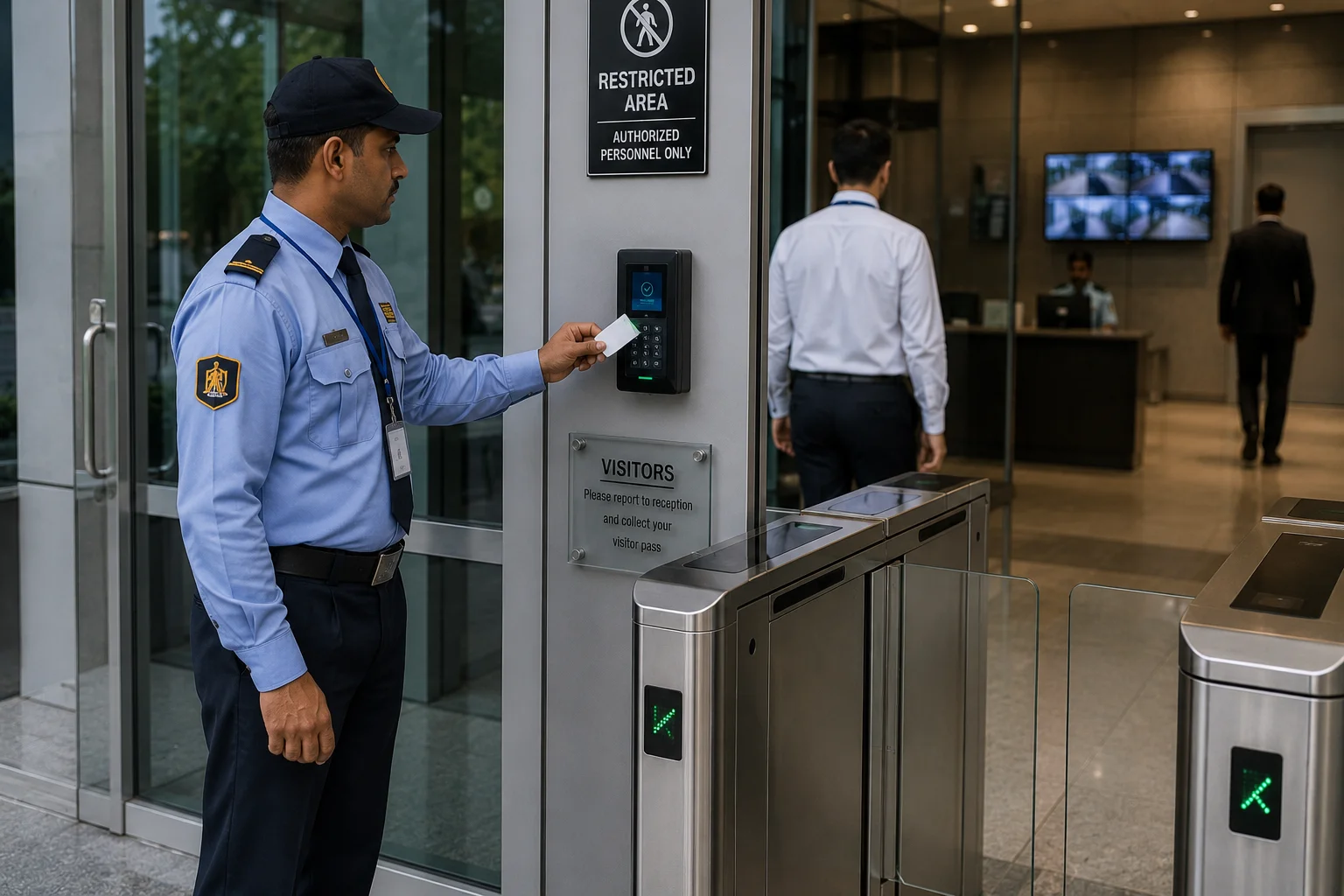
Access control and visitor management keep contractors and drivers from wandering into production. Vehicle movement — parking, waiting bays, weighbridges, dispatch — should be part of the security brief, not left entirely to the transport office. When security and logistics use different rules at the same gate, the stricter rule usually loses.
CCTV, patrols, fire awareness and emergencies
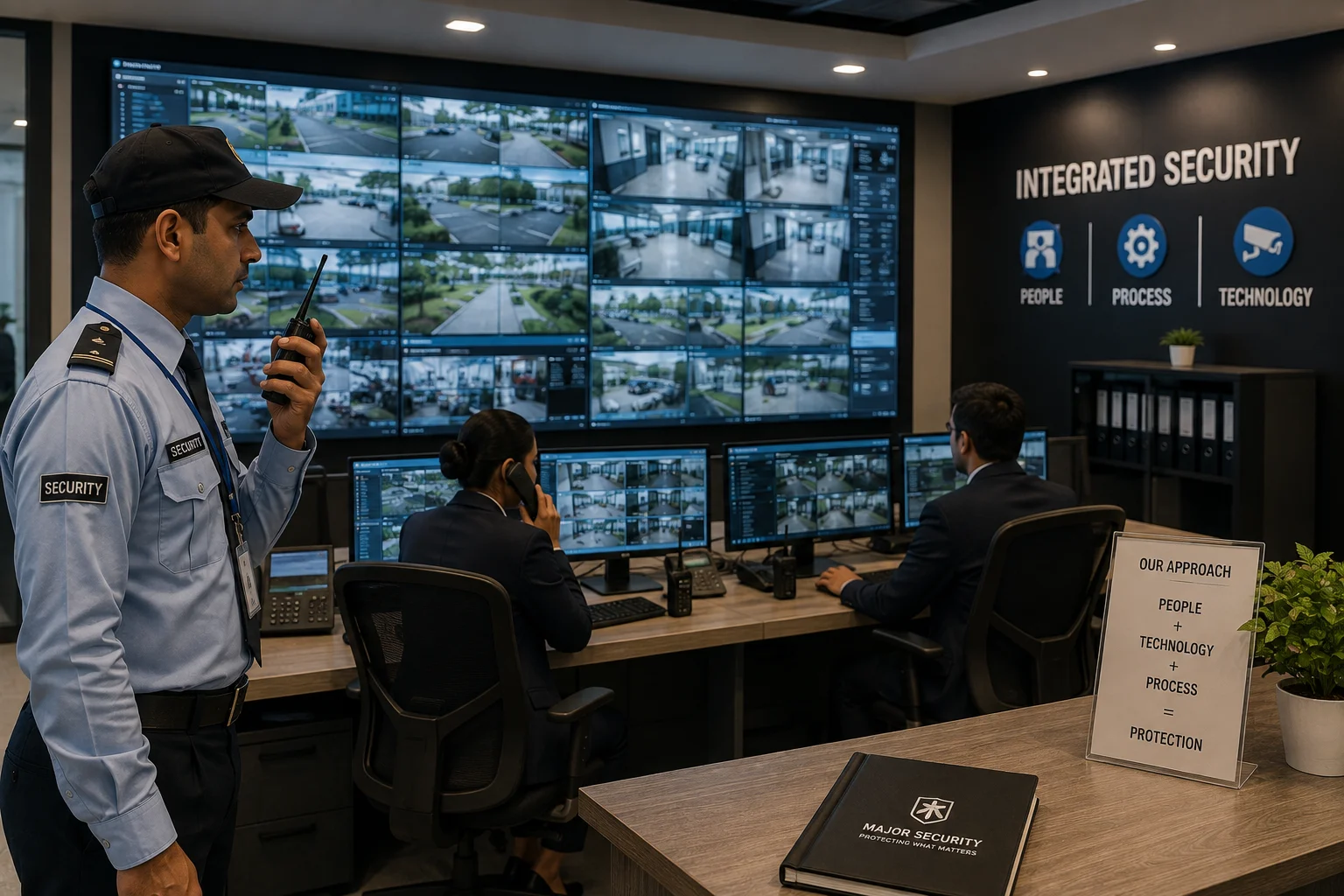
CCTV on industrial sites is most useful on perimeters, yards, loading docks and internal aisles where product or plant is concentrated. Patrols cover the ground cameras cannot judge: an unlocked side gate, a smoking area used as a shortcut, a store left open between shifts.
Fire awareness and emergency procedures belong in the same framework. Security officers are often the first to hear an alarm or see smoke. They need to know assembly points, who they call, and how they support an evacuation without blocking the people who must fight the fire or shut down plant. Incident reporting should reach both the security supervisor and the operations contact the client names.
Supervisors and coordination with operations
Industrial security fails quietly when supervisors only check attendance and operations only cares about output. Regular coordination — a short standing conversation about upcoming shutdowns, extra contractors, or a change in dispatch hours — keeps the roster aligned with the plant.
The framework is people at the right posts, technology that matches the yard, and processes the shift can live with. That is how security supports manufacturing, warehousing and logistics instead of competing with them.