Close protection requires planning, discretion and professionally managed security support tailored to the individual's risk and operating environment.
What close protection means
Close protection is professionally managed security support for an individual, not a theatrical show of force. It covers executives, public-facing principals and other high-value individuals whose work involves travel, meetings, events and varying levels of public exposure. The service is risk-based: the plan should match the person’s routine, the places they go and the level of discretion they need.
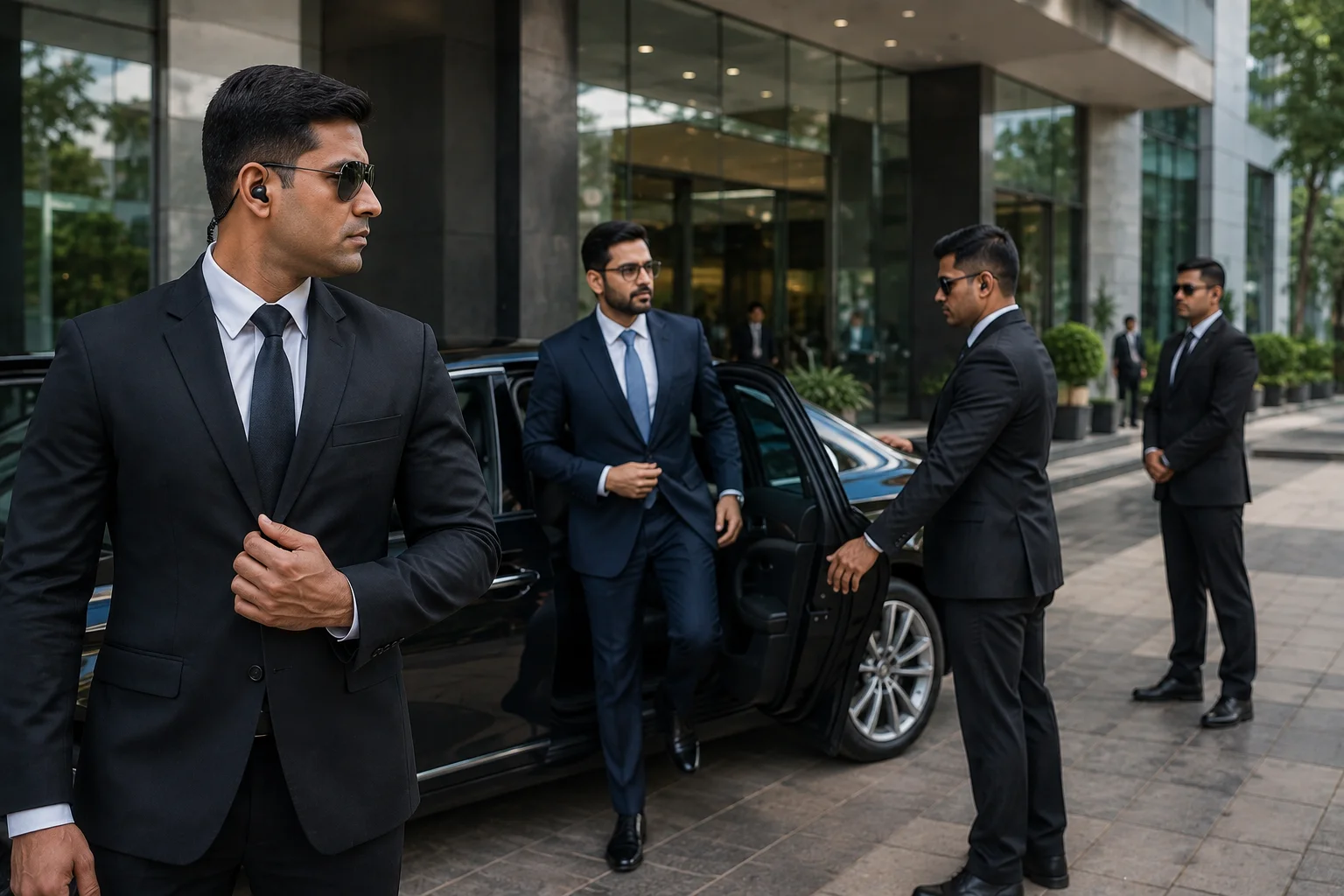
Major Security positions VIP and close protection as discreet work — executive protection, personal security, event protection and planning shaped around the assignment. The objective is a calm, controlled environment in which the principal can continue their programme.
Risk assessment, routes and movement planning
Executive security and personal protection are related but not identical. An executive moving between office, airport and a board dinner needs a different pattern from a public figure at a crowded function. The plan should name the difference: who is in the party, who may approach, and how much of the programme is public.
A useful starting point is an assessment of the principal’s pattern: home and office movements, regular venues, travel, and who else is usually in the party. That assessment should stay proportionate. Not every executive requires the same footprint. Overstating threat does not improve security; it often reduces cooperation from the people the team is meant to support.
Route and movement planning covers how the principal travels between locations, where vehicles wait, and how arrivals and departures are handled. The aim is fewer improvised decisions at the kerb. Coordination with drivers, office staff and existing site security is part of that planning.
Event protection, discretion and professionalism
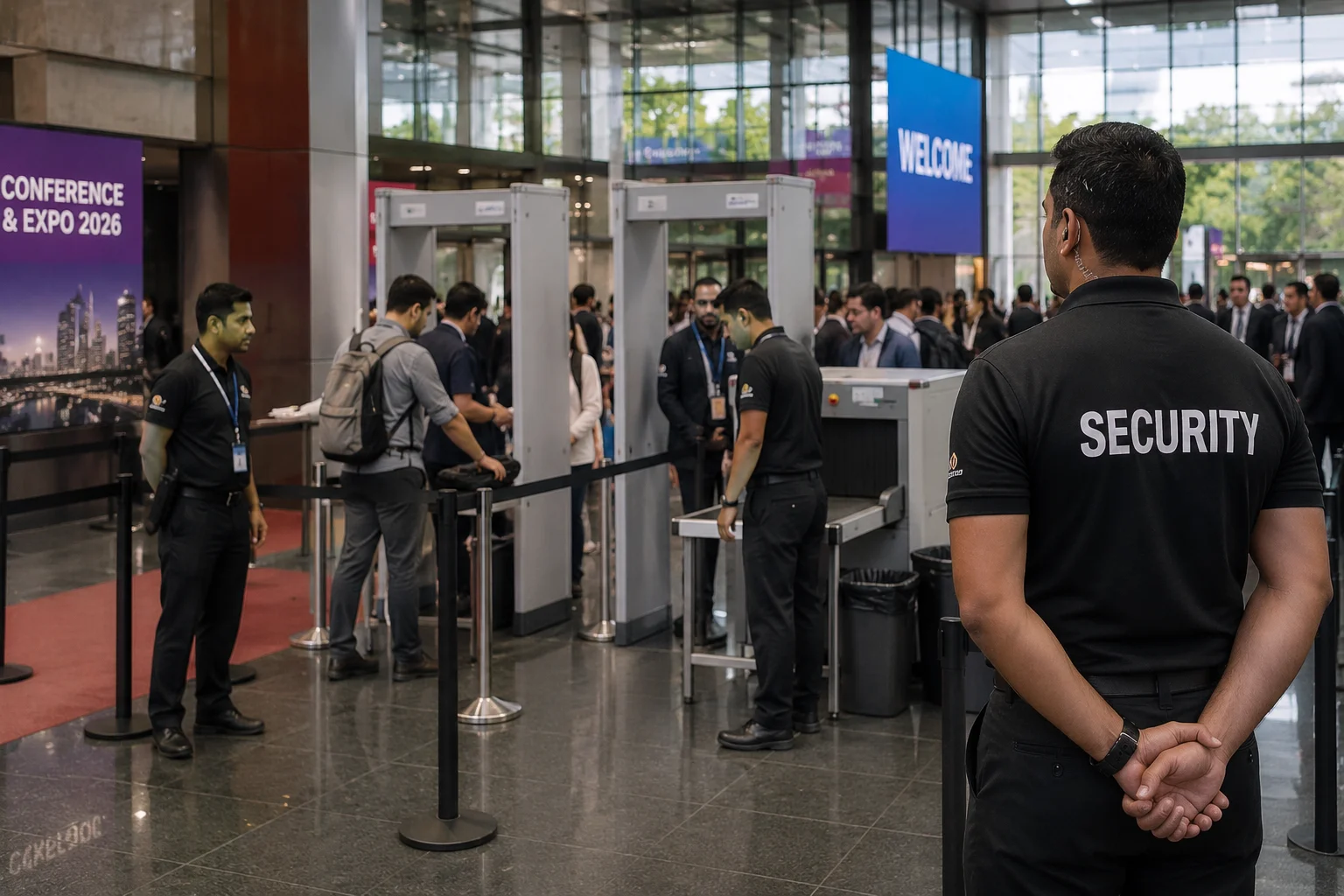
Events concentrate people, cameras and unpredictable movement. Close protection at a conference, a public function or a private gathering is about positioning, communication and a clear understanding of restricted areas — not about dominating the room. Discretion matters. A principal who is constantly advertised by obvious security is harder to support, not easier.
Professional conduct includes how the team speaks to venue staff, how they handle delays, and how they remain visible enough to do the job without becoming the story. Close protection training is treated as a specialised skill within Major Security’s wider development of personnel, not as a generic guarding post with a different title.
Working with existing teams and emergency preparedness
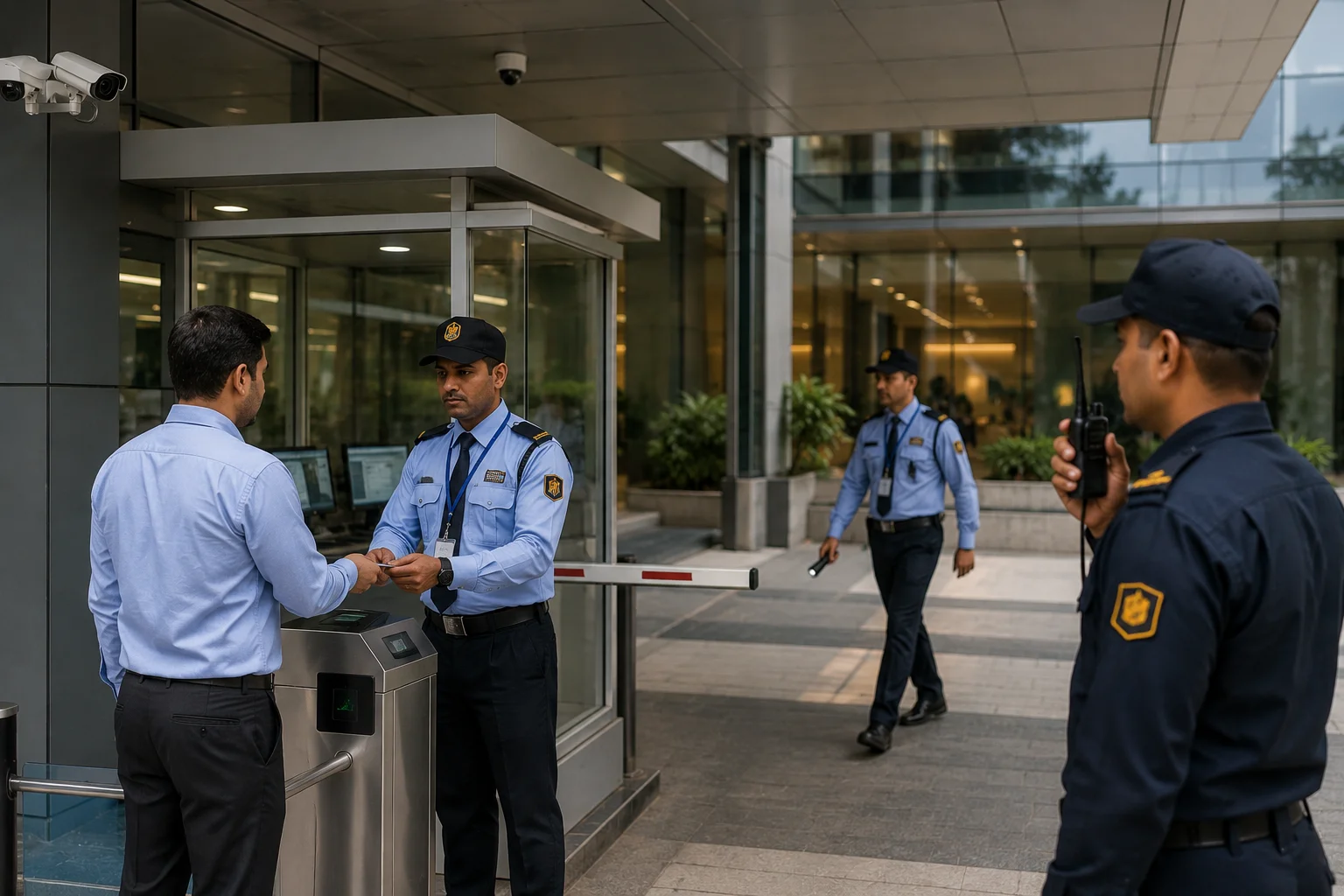
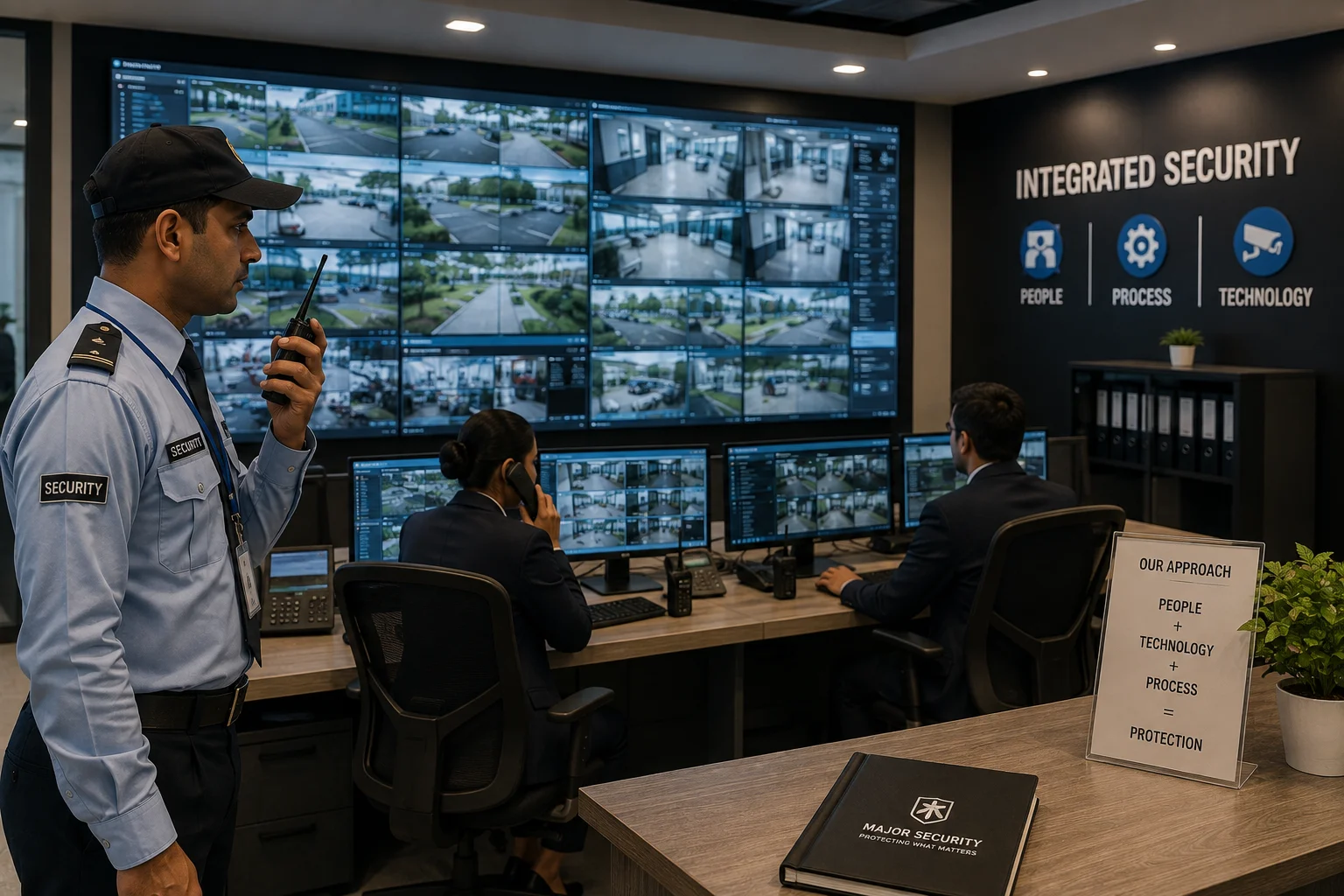
Many principals already have office security, residential arrangements or event contractors. Close protection should coordinate with those layers: who owns the door, who owns the car park, who speaks to the venue. Gaps appear when two teams assume the other is covering a point of entry.
Emergency preparedness is practical: medical awareness, communication, a plan for leaving a location early, and clarity on who decides. It should be rehearsed in outline, not invented in the moment. Trained personnel, a current assessment and a quiet working relationship with the principal’s office are the substance of the service — not dramatic claims about threat.