From crowd movement and entry control to VIP protection and incident response, effective event security requires planning before the event begins.
Security starts before the doors open
Event security is easy to underestimate because the risk is temporary. In practice, a conference, exhibition, sporting fixture, concert or public gathering compresses large numbers of people, vehicles, contractors and guests into a venue that may only be used that way for a few hours. The work that matters most is done in planning: who enters where, how crowds move, where staff are posted, and how an incident is communicated.
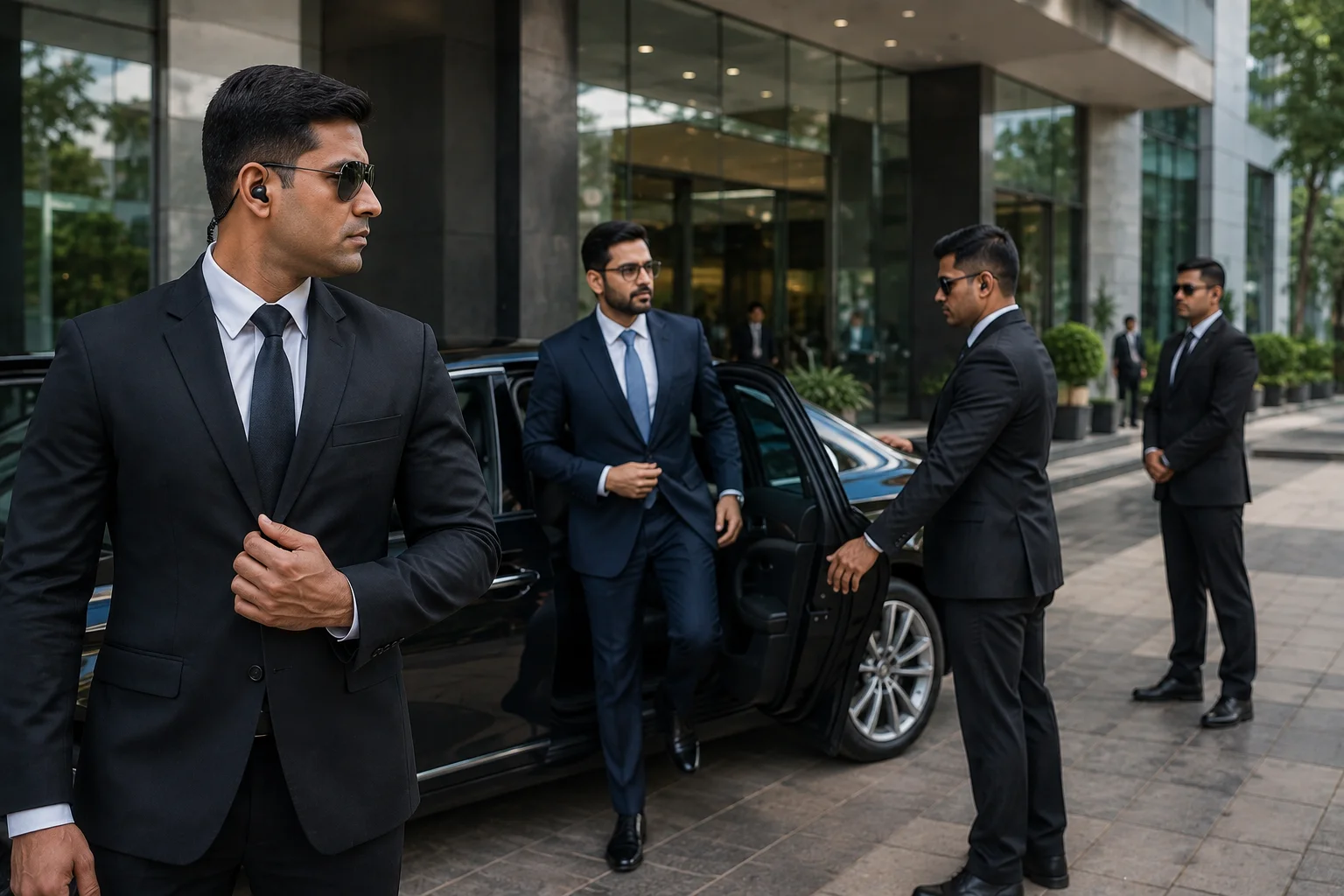
Major Security’s event work is framed around structured planning and trained personnel — crowd management, entry and exit control, VIP protection and emergency response coordination — rather than last-minute extra guards at the door.
The same principles apply across different formats. A conference is largely about accreditation and room control. An exhibition adds contractor and vehicle movement. A sporting event or concert concentrates arrival peaks and crowd emotion. A public gathering may have weaker ticket control and a more open perimeter. The plan changes; the need to think before the doors open does not.
Risk assessment, entry control and crowd management
A risk assessment for an event should look at expected attendance, ticket or invitation control, vehicle access, stage or pitch areas, and any known pinch points in the building. It should also consider the audience: a trade exhibition behaves differently from a concert. The output is a deployment plan, not a generic checklist.
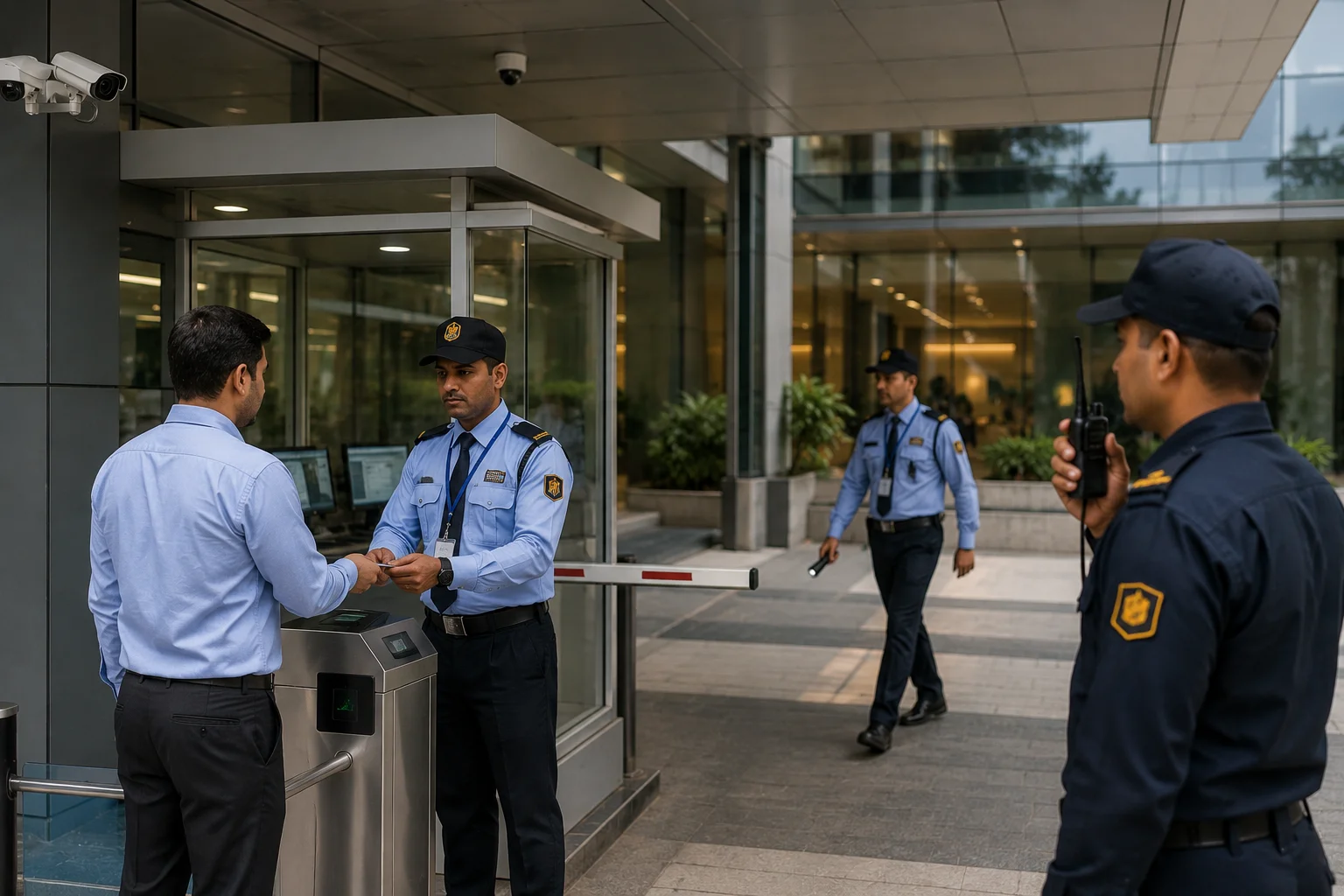
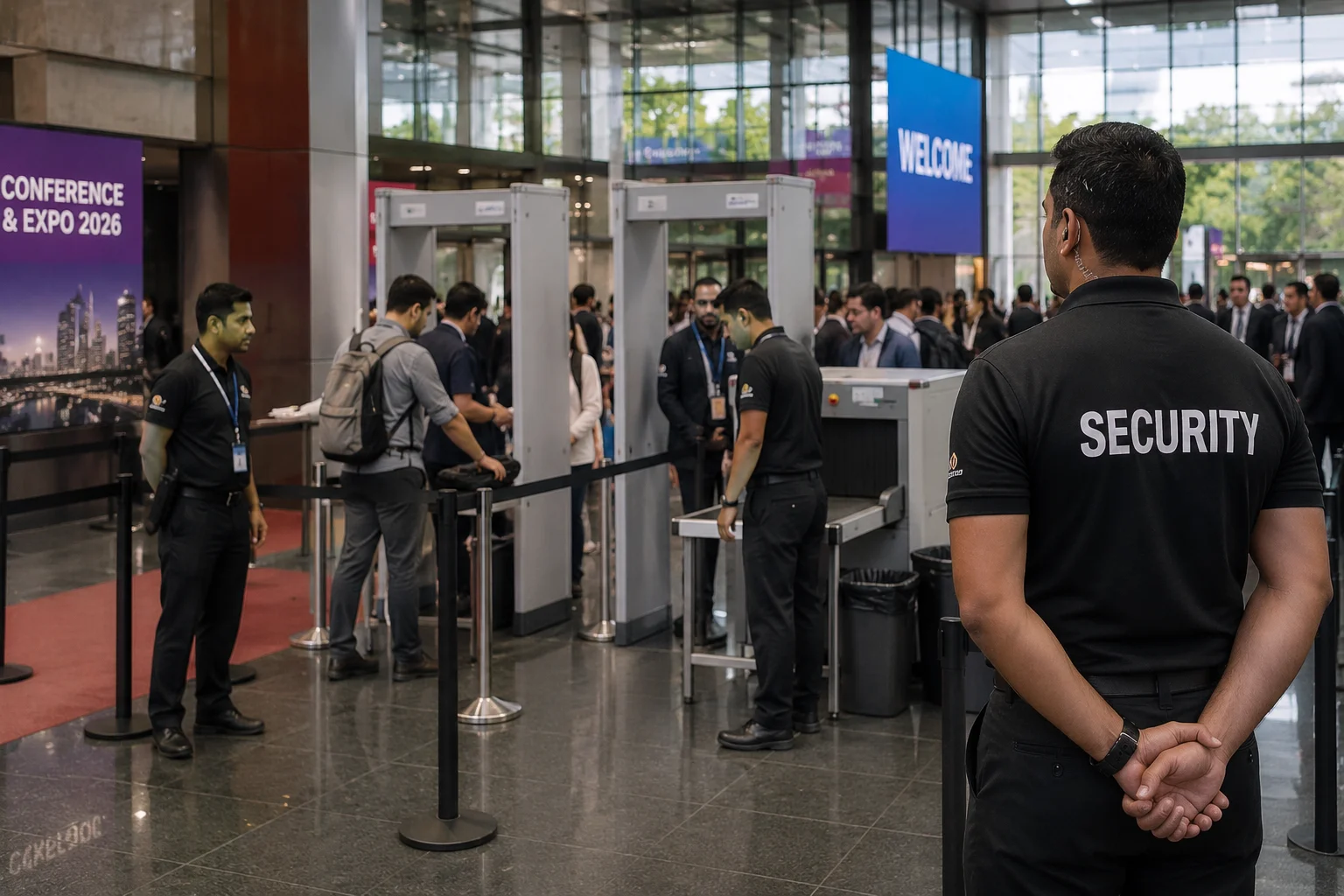
Entry and exit management keeps the first and last impression of the event under control. Searching, accreditation and bag policy only work if staffing and space match the arrival curve. Crowd management is about flow — queues, concourses, emergency routes that stay clear, and posts that can see the movement rather than stand inside it.
Personnel positioning, VIP protection and restricted areas
Where people stand is as important as how many are booked. Posts at doors, cash or registration points, back-of-house corridors and parking need a reason. VIP protection at events is usually a combination of close support and control of rooms or seats that are not open to the general audience. Restricted areas — production, locker rooms, plant, offices — should have a simple rule and a person responsible for it.
Coordination with organisers is continuous. Security cannot invent a second floor plan. Briefings should include the organiser’s programme, contractor access, and who can authorise an exception.
Communication, incidents and post-event review
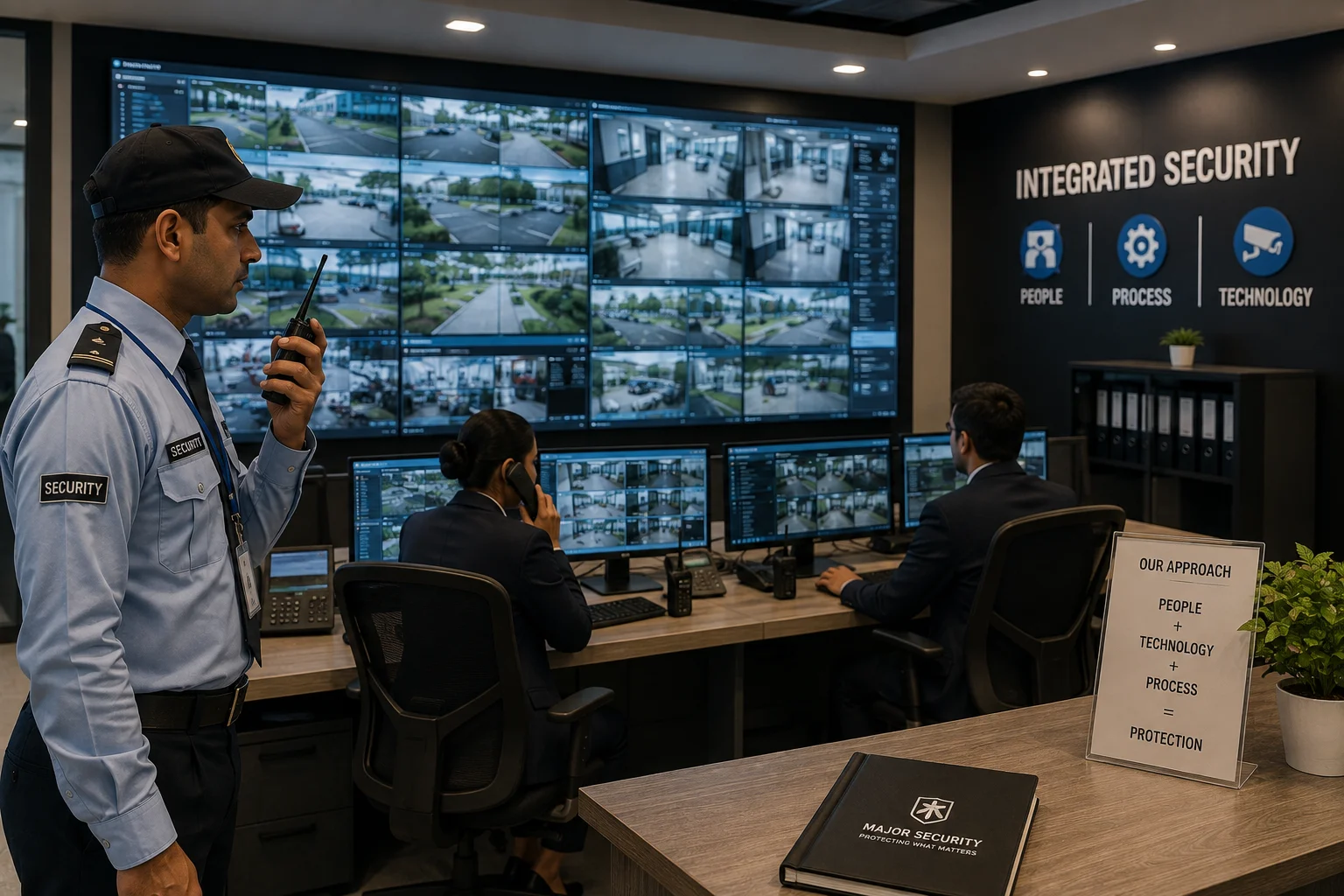
Radio discipline and a named control point keep a large venue from fracturing into separate rumours. Incident reporting should be prompt and factual: what was seen, what was done, who was informed. Emergency response coordination with venue management and public services should be agreed before show time, including how an evacuation message is given.
A short post-event review — what worked at the gates, where queues formed, which posts were underused — improves the next booking. It is also how a security provider stays aligned with the organiser. Professional event security is planning, positioning and communication. The safer experience for guests is the result of that work, not a slogan added after the crowd has arrived.