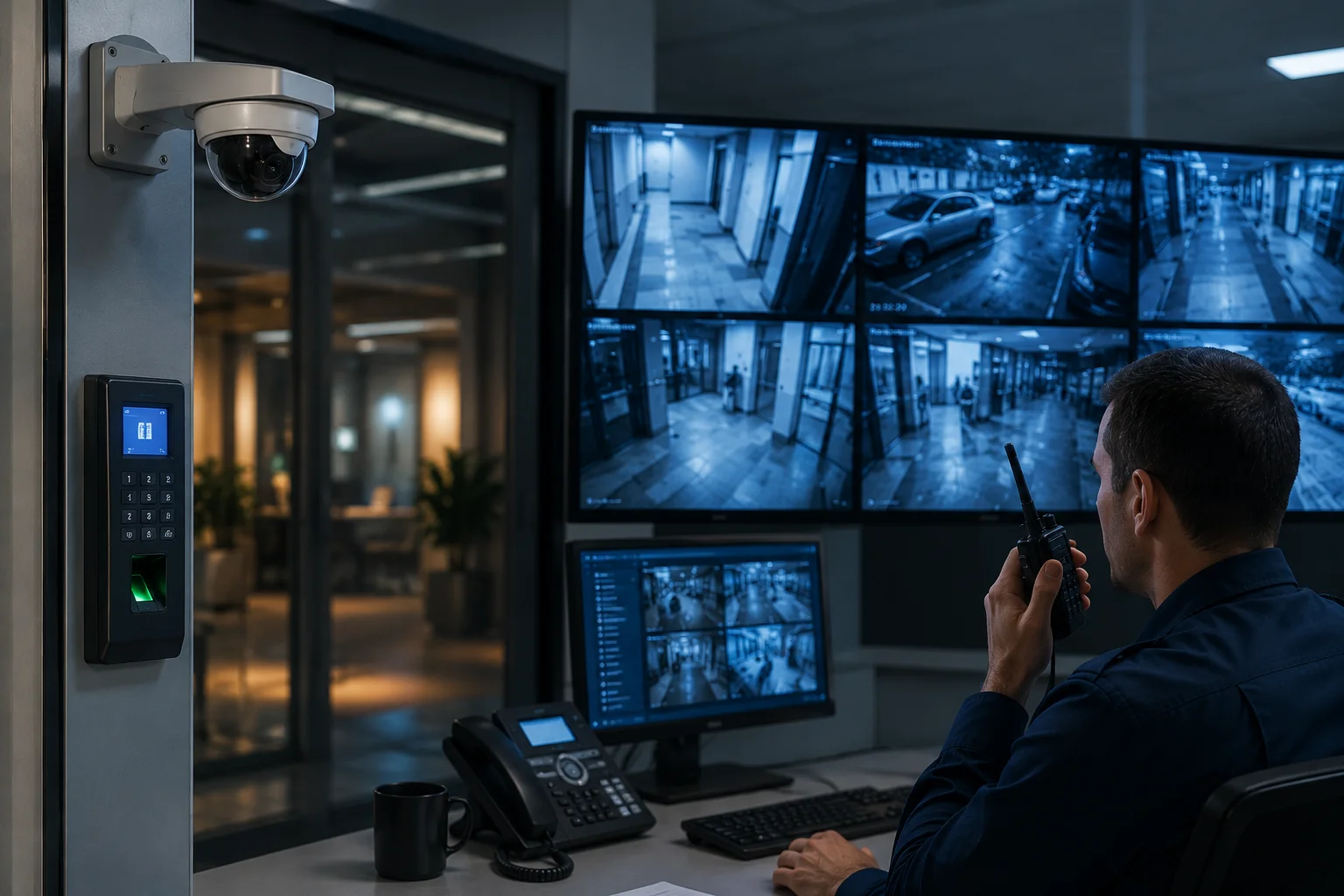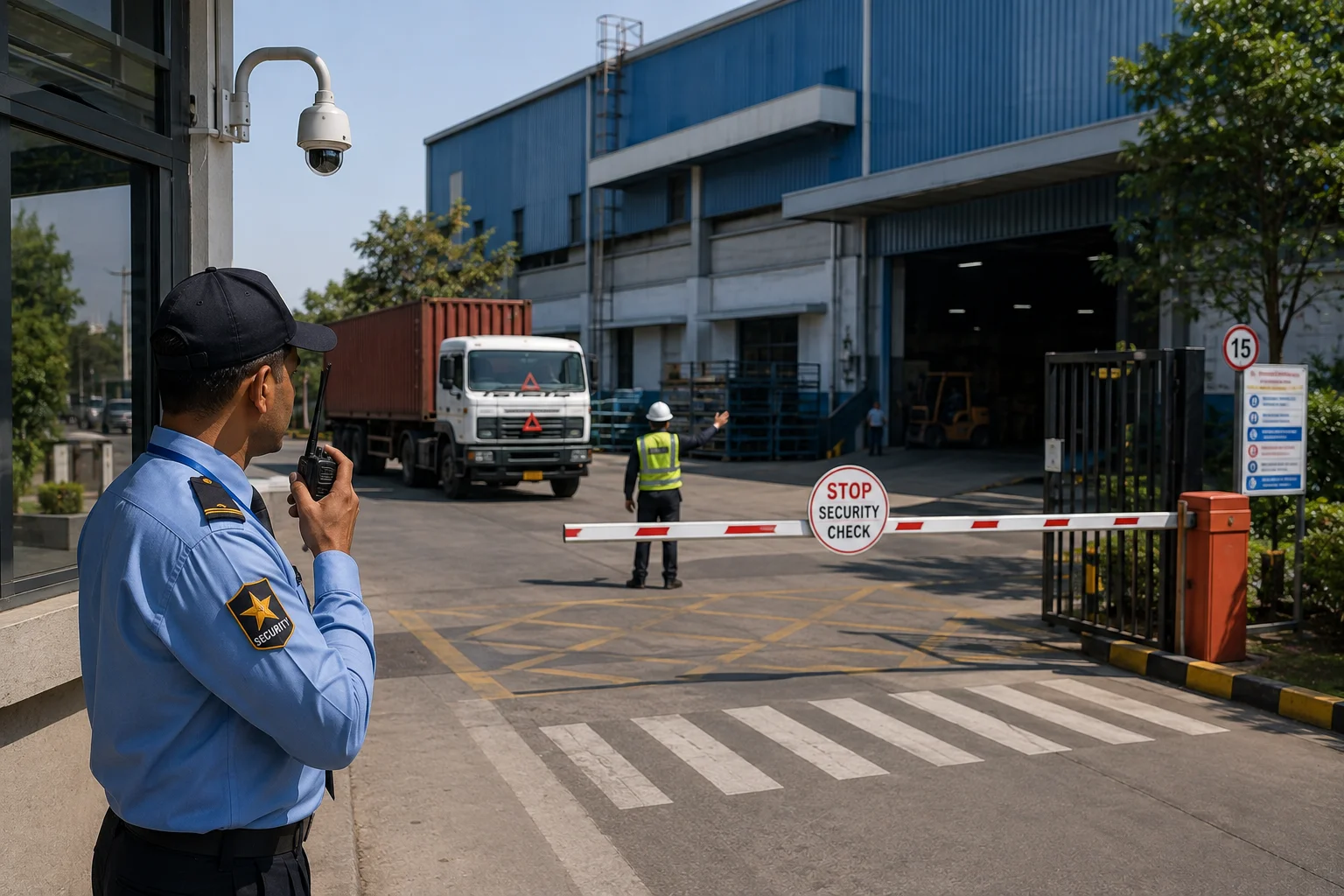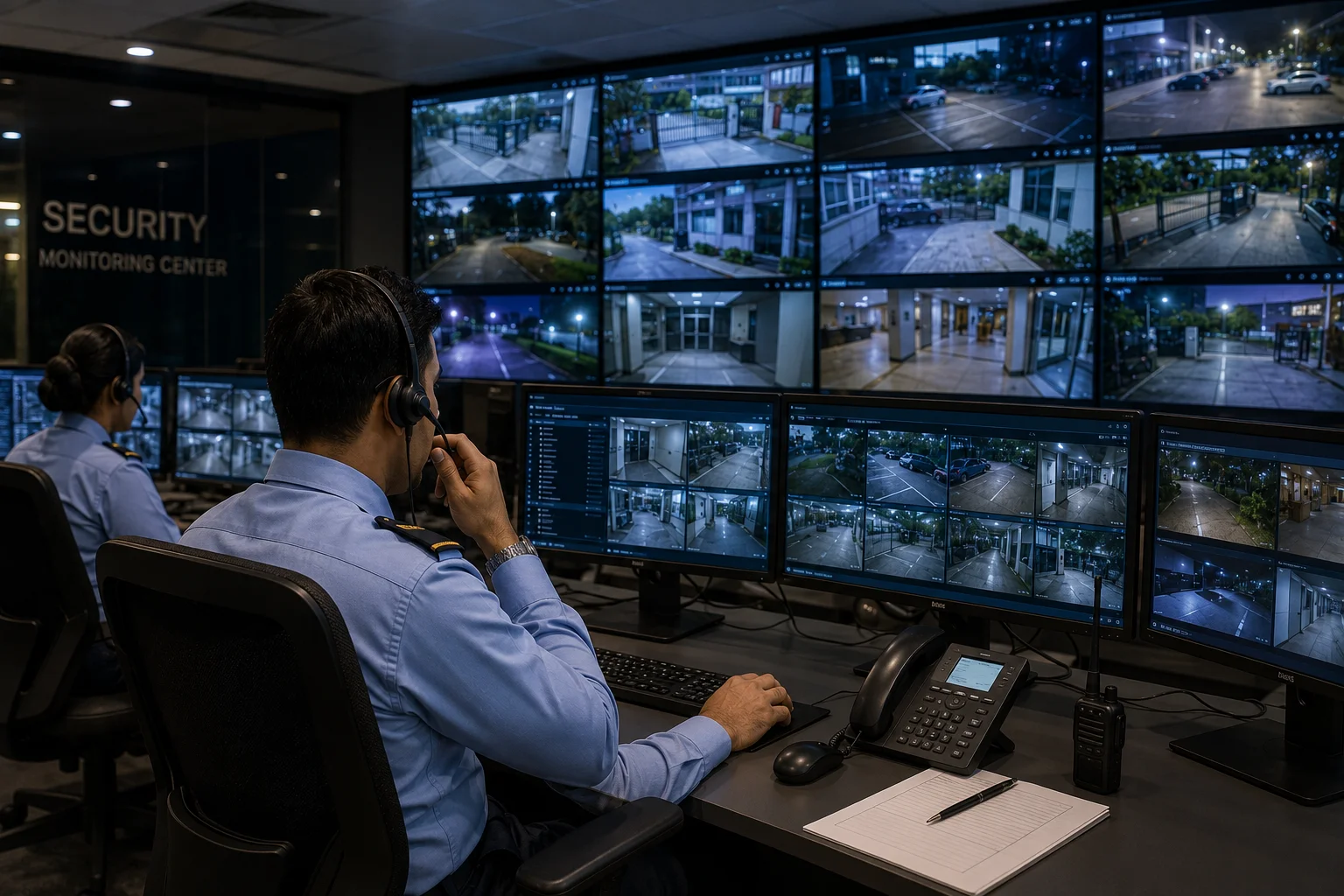
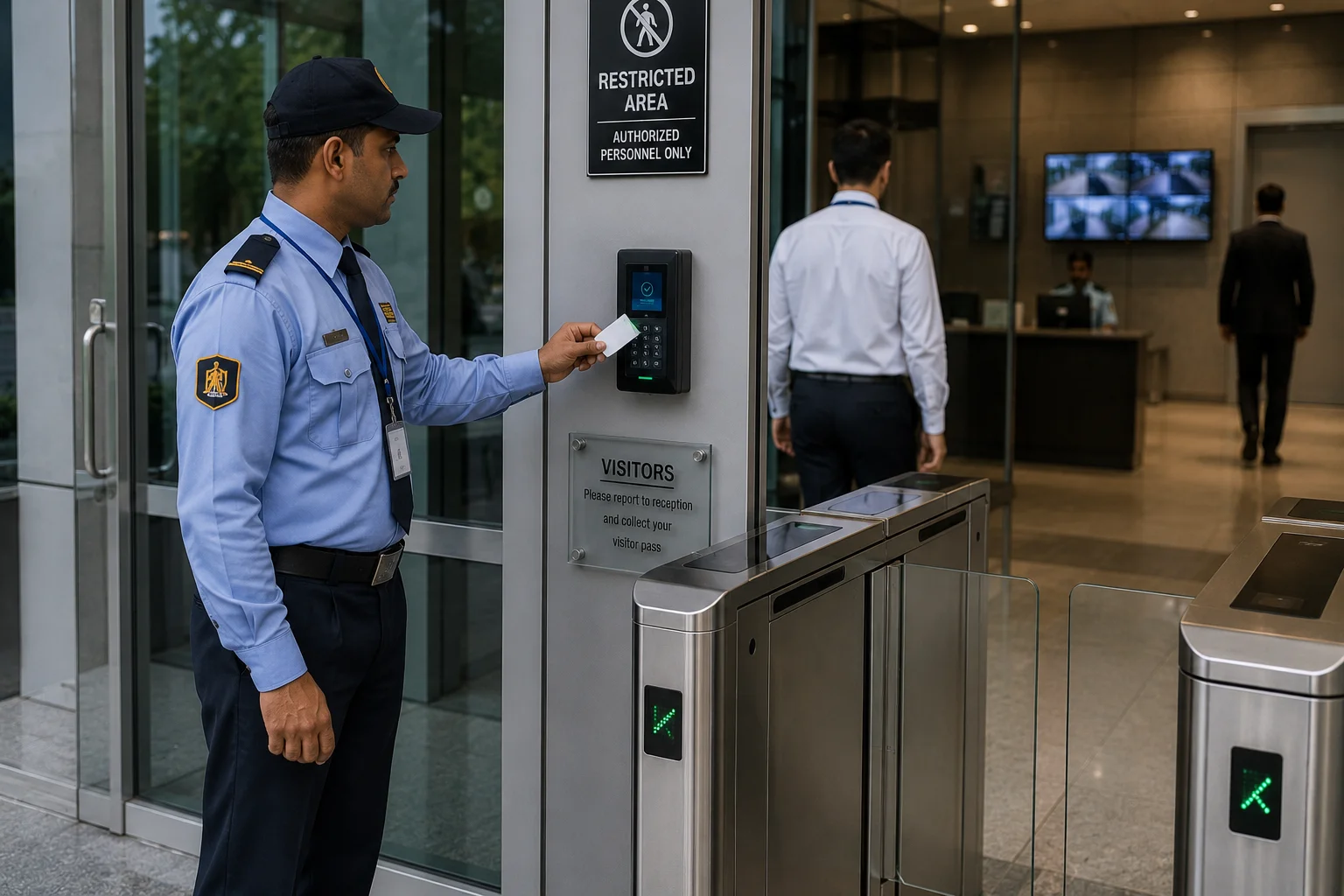
Effective access control helps organisations understand who can enter a facility, where they can go and how access events can be monitored.
What access control is for
Access control is the disciplined management of entry. It tells an organisation who may come in, which parts of the site they may use, and how those events can be reviewed later. Without it, security depends on memory, courtesy and whoever happens to be at the door. That may be enough for a small office on a quiet day. It is rarely enough for a plant, a hospital, a warehouse or a multi-tenant building.
The design should follow the facility. A single card reader on the front door is not a programme. Neither is a turnstile that nobody staffs. Access control is a mix of physical measures, electronic systems and the officers who operate exceptions.
When access is treated as a security issue rather than only an IT issue, it becomes easier to decide which doors need control, which need a receptionist, and which simply need to be locked after hours. That decision should be written down and reviewed when the building’s use changes.
Physical measures and electronic systems
Physical access control includes gates, reception layouts, turnstiles, road barriers and the simple rule that a door is not left on the latch. Electronic systems add credentials: card-based access, electronic locks, and in selected areas fingerprint-based control where identity needs to be stronger than a shared card.
Visitor identification sits at the front of this mix. Expected guests, contractors and deliveries should be distinguishable from people who have no reason to be on site. Employee movement — especially into stores, data rooms, cash areas or production — should match job roles, not habit.
Restricted areas, CCTV and the officer’s role
Restricted areas fail when the rule is clear on paper and weak at the door. Signage, locks and a named owner of the space matter. CCTV at those points supports both deterrence and later review. Integration is practical: a camera that sees the reader, a report that can be compared with footage, a supervisor who knows how to request both.
Security personnel remain essential. They challenge tailgating, manage visitors whose cards do not work, and notice when a door is being used as a shortcut. Incident management around access — a lost card, a forced door, a contractor who will not leave — needs a written path, not a raised voice.
Designed according to the facility
A logistics yard cares about vehicles and goods-in. An office cares about floors and meeting rooms. A factory cares about shift change and contractor control. Copying another organisation’s access scheme usually creates friction without adding protection.
Major Security treats visitor identification and access control as part of an integrated offering alongside CCTV and manpower. The useful conversation is about how people actually enter the site today, and which changes would make that process both tighter and still workable for staff and guests.